Home Blog Pagina 68

La Pasta con le sarde – Pasta with sardines. The recipe.

0

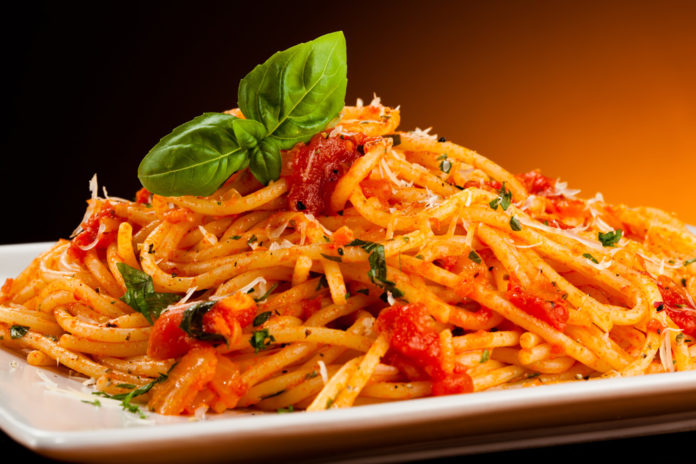
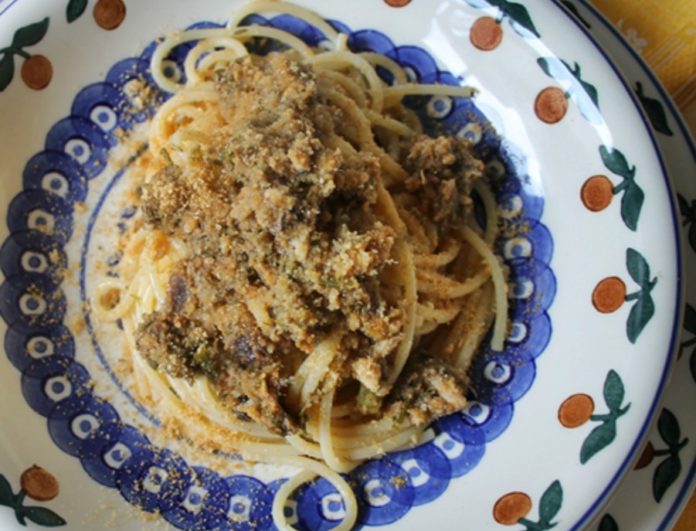
pastasardefin1The “pasta chi saiddi“, pasta with sardines, and its many versions: from poor dish to deceit, from sea taste to flavour of field harvesting, to wild encounter for that wild fennel which in a good part of the globe is not even picked up. In Palermo instead it’s history, poverty in the pocket and richness in heart, it’s a pasta dish which in the festivity of S. Joseph is a must at table and for the rest of the year is greedily awaited for (Ti.Ni.)
it’s a characteristic dish, typically served on Sicilian tables, with the awareness that not always what’s good is expensive. What to do when fresh sardines are not available, or you don’t have enough money to buy fish and other food? A native of Palermo, in the XVIII century as well as today does his best to to cut a fine figure, because to show off at the table means displaying wealth, and showing off is law in a tradition where dirty linen mustn’t be washed in public. pastasardefin3It’s a poor dish, though today is included in the menus of restaurants with resounding names patronized by well dressed men and jeweled women.
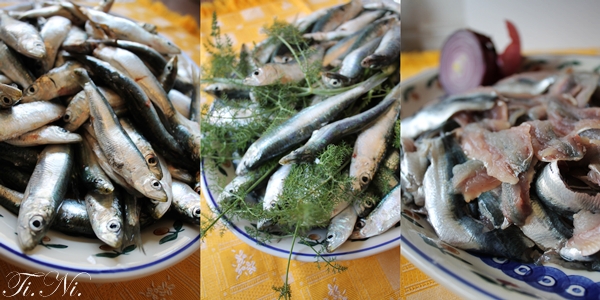
This pasta has old roots and always new tastes, every house adapts it to the needs of time, taste and expenses. And it becomes “pasta ca’nciovi”, because anchovies are used instead of sardines and wild fennel. It becomes “pasta ca’ munnizza” (pasta with garbage, lovingly called so, in Catania and Messina, due to the scarceness of substance) when sardines are not used at all, and remain in the sea, and wild fennel is the only protagonist.
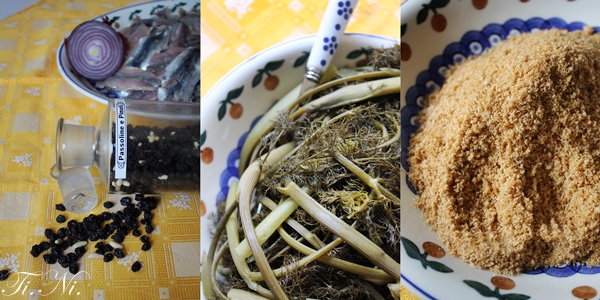
pastasardefin4Raisins and pine seeds, a sweet and sour ingredient brought to the island during the Arab domination, are the classic flavour that is essential to this type of cookery. Wild fennel grows on the border of cultivated fields, for whoever has never tried its essence it’s scrap. Sardines are food for other fishes, sometimes they are even thrown back in the sea by the fishermen because of the poverty they seem to bring, they are believed to be fat and little pleasant by those palates which are not used to saltiness. Yet, the mixture of these poor elements ratify a pact which has been lasting for many many years multiplying time – as Jesus did with bread and fish – in inventing food from the little or less ingredients available.
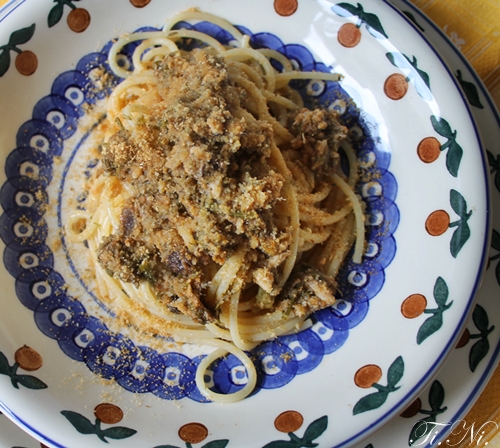
pastasardefin2Wild fennel was already known in ancient Rome, Apicio supposedly used it to flavour fish and this trick has not waned, and the seeds of the plant entered the cookery, the Sicilian one at the maximum extent, to season other food. We are talking about seized fennel seeds, a spice which is useful from a herbal standpoint in stimulating digestion. These seeds are used in the condiment of sausages and at times in bread or in some biscuits.
Including fish, vegetables, fruit, pasta and breadcrumbs, this food proves to be complete and balanced. It’s a pasta which was born within the walls of a city overlooking the sea – Palermo – and transforms itself following the current needs and still lives, because it is extremely versatile in the fact that it can be enjoyed hot, warm of cold, or baked in the oven whenever any of it is left. When sardines arrive, with the catch, they are “allinguate” i.e. filleted thus eliminating the fish bone, they are drawn to the rest of the crew and left in that well known condiment. If they completely lack, the pasta becomes with the sardines left in the sea and the wild fennel will lord it replacing the absence of the fish in the taste. But as a general rule every islander larder holds inside a jar of sardines in oil, some concentrated tomato paste, the basic ingredients and all that follows will be a gravy to be used with long pasta, if not “bucatini” (large hollow spaghetti), macaroni, “ziti” (short macaroni) or linguine, thus giving life to the even more cheap version of a “pasta ca’nciovi”.
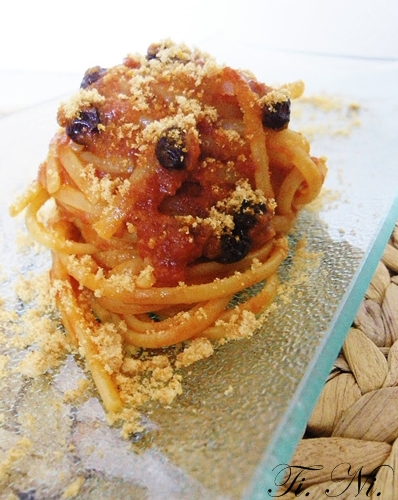
pastasardeIn the shopping basket:
250 g of Linguine
4 Filets of Anchovies in oil
50 g of Concentrated Tomato paste
1 Garlic clove
1 spoon of Raisins and pine seeds
2 spoons of Breadcrumbs
New Oil, Salt and ground Black Pepper as desired
This is “how to do it”:
Peel the garlic clove and cut it in very small pieces, if you prefer using only the fragrance of the garlic just peel the clove so that you can take it off the pan after browning it. In a saucepan warm a spoonful of new oil and brown the small pieces of garlic in it, add the anchovies filets and as soon as they melt, add the concentrated tomato paste and half a glass of water. Cover the saucepan and let it cook for a couple of minutes, until it starts boiling again. In the meantime, boil the water to cook the pasta. Uncover the saucepan with the gravy, mix and add the raisins and pine seeds, add more salt and black pepper if needed and let it cook without the cover, on low flame, in order to reduce the gravy. Put a trickle of oil in a pan and toast the breadcrumbs. When boiling, salt the water and add the pasta and cook it for the time specified on the packet or according to your taste (I love only slightly underdone pasta). When cooked, strain the linguine, take the gravy off the fire and use it to flavour the pasta. Serve straightaway covering the linguine with a handful of toasted breadcrumbs.

Tiziana Nicoletti 
Finger Food: an old story

0

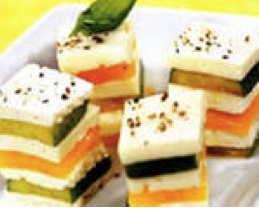
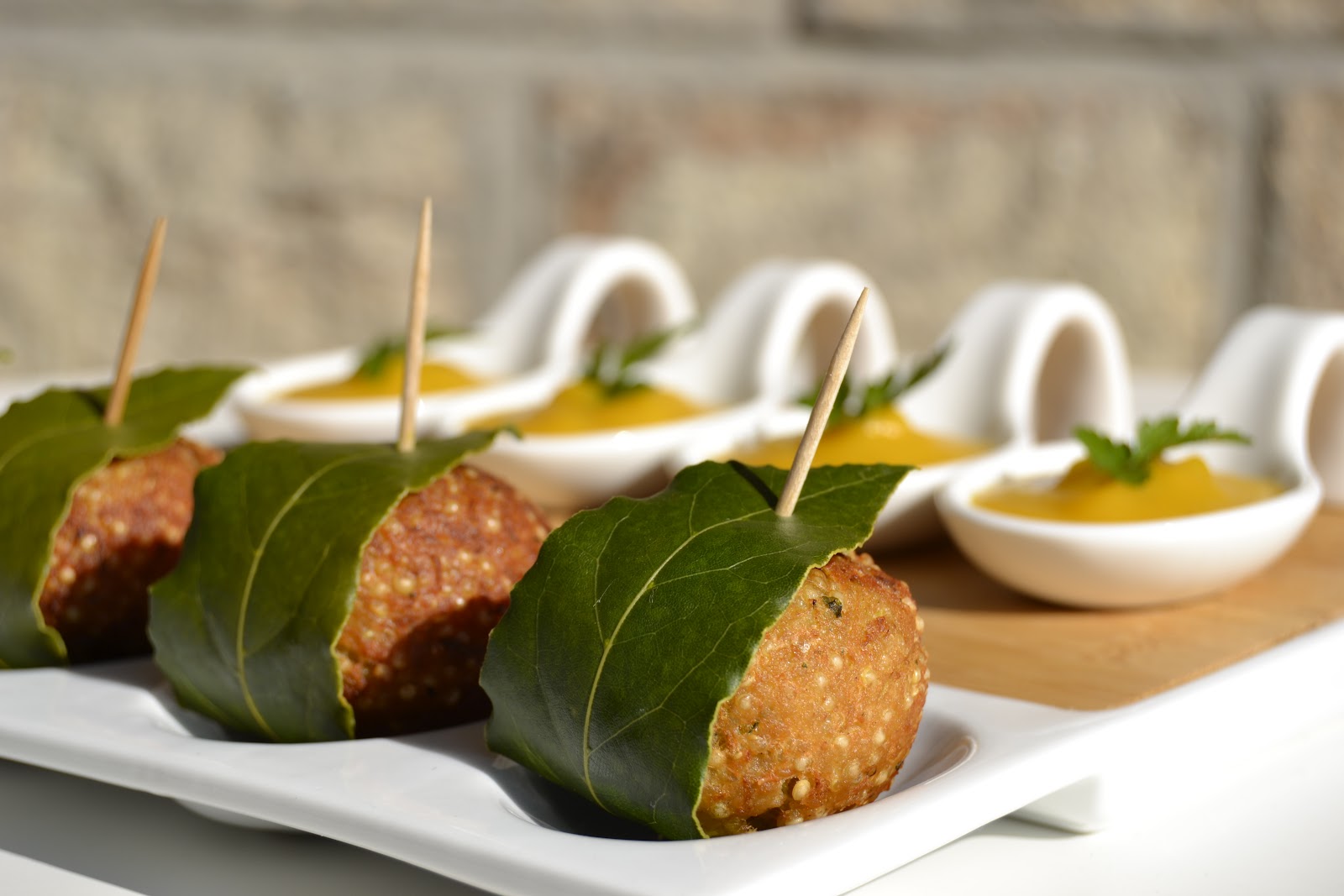
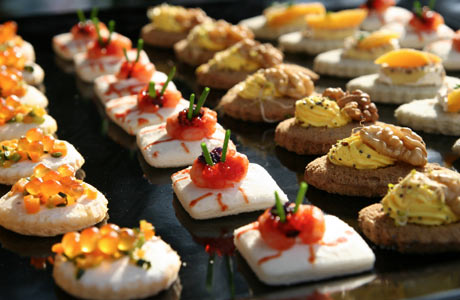
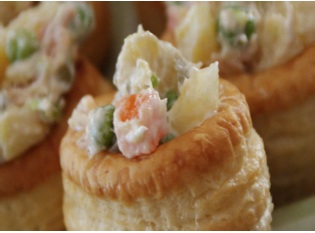
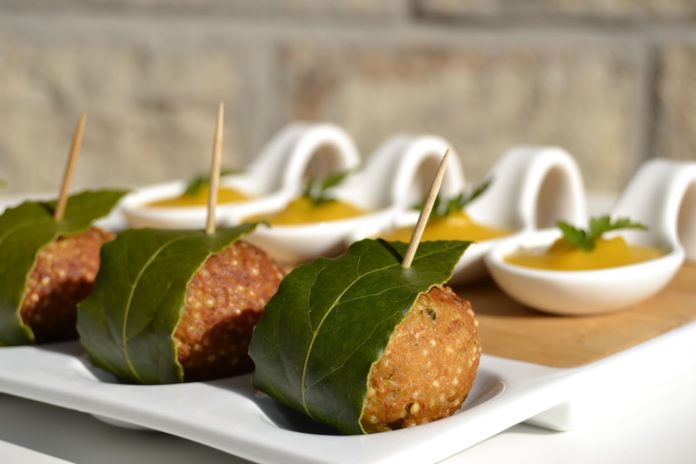
russia_finger_11Food is fashion, it creates trends yet finger food is an old story, old as the world and this land: an elegant lady remembering the past, living the present and who will relish the future. Today? Tables are laid more rich in utensils than in food.
And while the water is boiling in the saucepan, laying the table becomes a momentum, a ritual of acts hallowing the sacredness of the event. Eating means much more than feeding, it’s a lifestyle, trend, it’s the manifest choice of what you are or of what you tend to be. All is global, we mix terms and flavours, Anglicisms to face up to the party which shows to have dictates such as a stylist going on the catwalk.
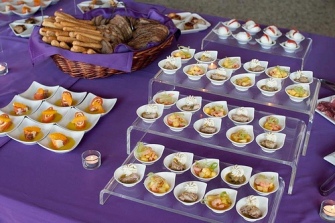
fingerThe dish is bare, minimalist, the elegance seems to be that halo wrapping up the patrons in words, while glass on hand they enjoy canapés, mousses, creams and small pieces of sea or earth. If it’s not finger food the party seems to collapse like a badly cooked soufflé. And often one faults in reflection: it is not our invention. Finger food is a literal cross-reference to the fingers, the food which can be enjoyed without the help of any cutlery and seems to take us back to the past: by running through that way again, one can fix new horizons.
finger-food-3The ancients used to eat with the hands. Furnishings, cutlery, they all don’t have a long history, they instead have a brief career and change continuously. In many zones of our mother earth, convivial practises that are different from ours still exist: people eat on the floor, sitting on mats and sometimes use bowls and much less often fork ribs. For thousands of years mankind has fed himself by using only the hands, or terracotta bowls, then the first rudimentary wooden spoons, using intelligence to sharpen knife blades.
The fork is a modern brainwave. The first forms of table etiquette began to emerge with the birth of the first urban centres and the first forms of permanent settlements. russia_finger_4Ancient Romans used to eat using the hands without being too particular about licking their fingers and washing them, dipping the phalanges in vessels containing essence perfumed water. Laying down on their left elbow, in the reception of the triclinium which became today’s dining room with table and chairs, with their right hand they got ready to write stories of events and food. Finger food, an old story of returns and departures.
Spoons were the first that showed to be useful. They still remind today the egg-shape form of a shell or of our half-closed hand, fit for containing the water gushing from a fountain when we are about to drink or to wash our face. The first spoons were made out of wood and in the Middle Ages silver and other materials began to be used also. Being very big in shape they looked much like bowls with a handle, which could be used to drink liquid food. Between the end of XVI and the beginning of XVII centuries the spoon imposed itself, it reconfirmed its utility and took on thousands of different shapes, from the small teaspoon to the bigger soup spoon.
russia_finger_6It can be easily understood how its brother, the knife, has instead followed a different path. While the spoon is fashion and creates trends and is dressed with precious stones, in its history the knife followed the evolution of metallurgy, getting refined until assuming the current shape during the Bronze Age. And from the Middle Ages to Renaissance the knife seems to be the precursor of its cousin the fork since it is used to cut and stick solid food to bring it to the mouth. Well, the fork came to replace the most ancient cover: the fingers. During the Middle Ages it was considered a scandal to outrage the conviviality of the event by using other utensils than the fingers to touch the food; during the Renaissance instead the trend reversed, and he who dared to stain his hands to fill his stomach was defined as barbarian, cannibal. Fashions, trends, rules and lifestyles. Opinions change, one adapts to the new trends and the taste changes its expression step by step during the banquet of life. In a time which has passed by now the fork was transgression, today it is a cult, will it be recession tomorrow?
buffet-finger-food-02Society, its customs, is a flag exposed to the wind of change, yet often to change is not to invent but to rediscover. We turned back to eating with the hands, to live food, to touch its consistency, to taste its scent, to stimulate many senses – sight, touch, smell and taste – before counting calories. We are very cool, fashionable and we go around at parties in a fun-loving attitude, sipping a drink, savouring with our hands a food which belongs, in its intimate narration, to the past: now that’s what one would call globalization!
Yet I ask you, if the eye is pleased at the cost of a dimly satisfied stomach and a wearied posture, is finger food really our ally? And more, we who are so accustomed in using Gallicisms and Anglicisms, would we ever find sound Italianisms in these wonderful countries to tell about us? Our street food, which with pizza, pani ca’ meusa, and spaghetti with tomato sauce makes happy Pulcinella, Pantalone, Baldanzone, Brighella, Arlecchino and Colombina (all masks of the Italian popular cultural tradition), has no need for strange names and convention. So enjoy your return to mask and tradition.
Tiziana Nicoletti

The “Caponata di melanzane”: aubergines at their best. The recipe.

0

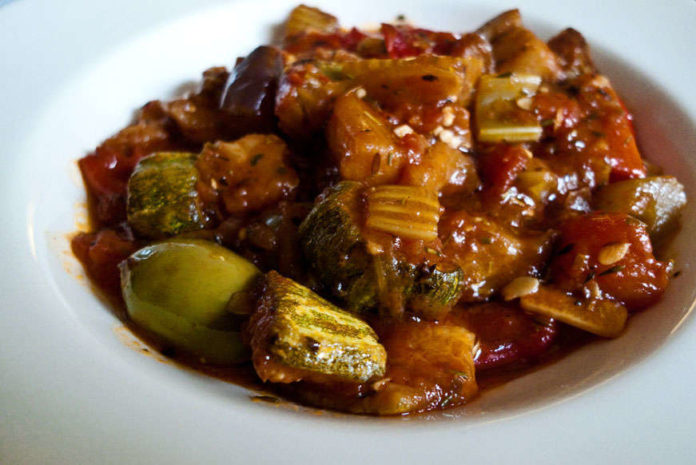
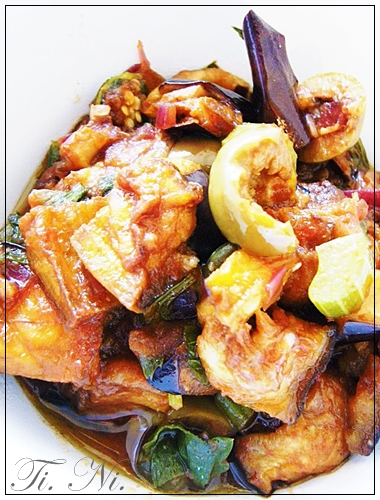
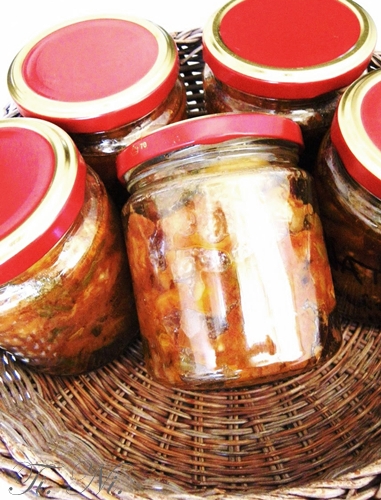
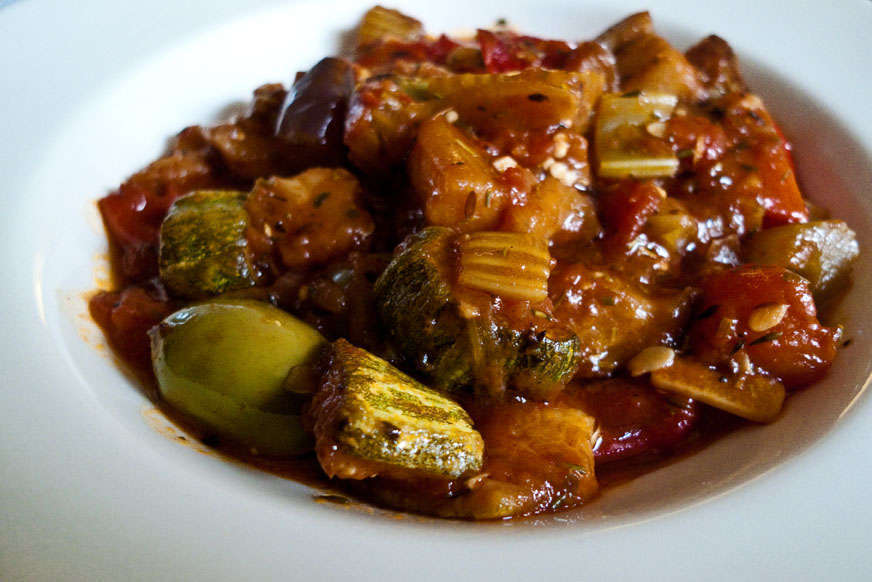
caponataThe caponata made of aubergine or eggplants is often passion, discovery, a range of tastes melted with sun and sea, like a breeze that ripens vegetables and flowers, overflowing with a desire of summer, hoping to keep it for the winter that has to come.
The recipes followed in the making of this dish – one of the first flavours of the Sicilian land which remains indelibly as part of the historical memory in the palate of whoever tastes it and that can be considered both a hors d’oeuvre and a side dish – are almost always a reworking in which one takes out, adds, mixes and rewrites the history of that unique flavour.
The term “caponata” seems to have uncertain roots in various explanations: one of the most reliable theories explains the choice of the name in its connection with the “Capone”, the Sicilian name for the Dolphinfish. Sweet and sour fried dolphinfish is a Sicilian traditional recipe that recalls the “caponata” in the taste of that sweet and sour sauce with which either fish, fried aubergines/eggplants or more rarely artichokes are served. Being a dish dating back to XVIII century, one can easily imagine how poorer people replaced the fish with the cheaper vegetable laying the basis for the modern, but not yet today’s, “Caponata”.
XVIII century sailors who lived on the shores of stony Trinacria (the ancient name for Sicily) used to hang around in taverns called “Caupone”, from Latin “cauponae”: from here the adjective “caupona”, referred to the food served in those taverns. Another theory on the birth of the name of this dish is therefore connected to the phonetic assimilation of “caupona” with “caponata”.
caponata3Surely “Caponata” is not an unequivocal name indicating a specific dish in the history of Sicilian or Mediterranean gastronomy, if one has a more open view. In “Cucina teorica-pratica col corrispondente riposto ed alcune nozioni di scalcare” by Ippolito Cavalcanti, published in 1839 in Naples, the recipe of “Caponata” is made of rusks, sponged up in white vinegar and Malaga, seasoned with oil, salt, black pepper and a little sugar. The rusks were covered with both chopped lettuce and prickly lettuce also pickled in white vinegar, oil, salt, black pepper and sugar. The preparation then ended by adding boiled fish, cucumbers, olives and peperoni forming a small pyramid. A dish which has nothing to do with the one we are interested in here, apart from the name.
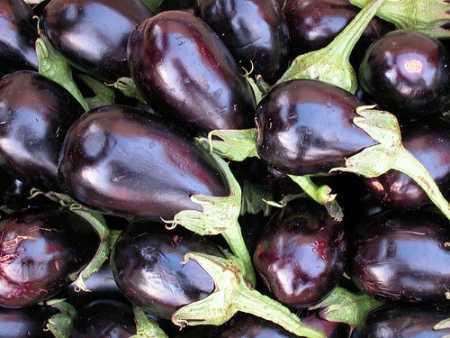
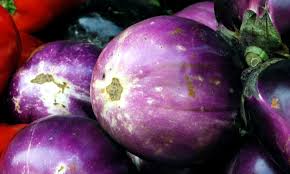
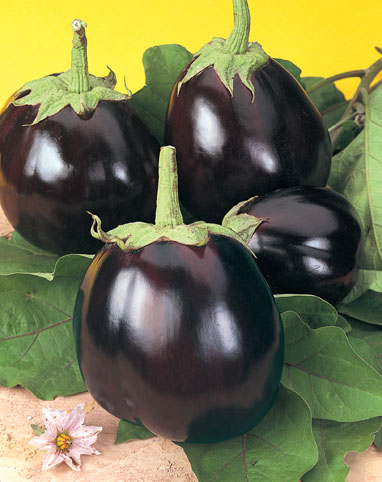
melanzane1For sure the new vegetable became the undisputed protagonist in the history of the preparation of “Caponata“ only in XVII century: in fact the aubergine, “melanzana” in Italian – “mela non sana (o insana)” [“mela” = apple; “non sana (o insana)” = unhealthy] so called because it was believed similar to an apple which could be eaten only after being cooked due to a toxin it contained that can damage the central nervous system if absorbed in very high quantities – was brought in the West in 1440 by the Arabs, who imported it from India, and only later – thanks to the Carmelite friars – in Europe. It first arrived in Spain and then in Italy, and in 1550 there is already written evidence of its use in our country and in the kitchens of ancestors buried in the wind. The aubergine is referred to in the “Trattato della coltura degli orti e giardini” written by Italian naturalist Soderini, while it is known that in XVI century celery had mere decorative purposes and before, in the middle-ages for instance, it was believed to be an aphrodisiac and its decoctions were employed in medicine.
melanzane2The evolution of caponata into a poor dish, with aubergines instead of fish, will therefore happen the introduction of this vegetable in the Sicilian land, which now is called the pearl of the Mediterranean and meeting centre of tides and cultures.
Let’s now take another step back looking for the history of the introduction of tomato in our recipe: on March 30, 1282 Sicilian people begin the “Vespri” freeing themselves from the troublesome French domination and their feudal system, this gave start to a series of events and the introduction of food and dishes in the gastronomic knowledge of the islanders. As soon as the French and their Gallicism left, came the Spanish and new moods. Our “falsomagro” (meat roll) became very appreciated and lower classes turned again towards trying to find ways to save money and to the taste of vegetables. In the beginning of XVIII century the Spanish domination continued to leave tastes and practices – among which most probably that of “panatura” (frying or baking with breadcrumbs) of food and meat – and opens the way to the imports from America which included tomatoes. melanzaneThe capers from Pantelleria were already renowned in the ancient times, and were also believed to be good aphrodisiacs; they are mentioned in the writings by Dioscoride and Plinio, and are described in “Singolar Dottrina”, a 1600 culinary treaty written by Domenico Romoli also known as Panunto.
In the beginning of XVIII century the shopping list is complete, and at least the main ingredients are all present to make us believe how today’s caponata was born, served as a main course simply accompanied by some bread. Isn’t it true that there’s nothing better to whet our appetite?
The existing different versions are acrobatic transformations of the original recipe:
Today the caponata is “rich”, with fish (dolphinfish, swordfish) or “poor”, with vegetables (aubergines, artichokes) and in any case it is classically sweet and sour for its sauce, the presence of vinegar, sugar, capers, olives and celery, and in some cases also raisins and pine-seeds. What can still vary is the “hat”: the preparation can end with minced toasted almonds or with the less canonical unsweetened cocoa powder, or with nothing more enriching its already rich history of taste and tradition.
caponata-siciliana-melanzaneThe recipe :
Ingredients:
2 kg of black Aubergines/eggplants
½ Celery
200 gr. of stoned white Olives
50 gr. of desalted Capers
1 red Onion
½ glass of balsamic Vinegar
1 spoonful of Sugar
Salt and new-ground black pepper, as desired
New Oil, as desired
1 Lt. frying Oil (if you use the fryer, as I do)
1 Lt. of Tomato sauce, better if fresh made
Procedure:
Wash the aubergines, cut off the top part and peel away part of the skin: it is also ok to peel just the centre strip and keep the rest. Dice all the available aubergines in cubes of the size of 1-2 cm each size and make them rest in pickle: a bowl filled with water and coarse salt will do, where to dip the aubergine cubes for at least half an hour; this operation allows to fry this vegetable without resulting soaked in oil.
Warm the frying oil in a pan. Drain the pieces of aubergines from the pickle and fry them. The aubergines have to be put aside in a bowl covered with blotting paper. You can do this while preparing the fresh ripe tomato sauce; then wash and slice the celery. Both the leaves and the stalk are used: the celery has to be cut in pieces of the desired size, obviously smaller than the cubes of aubergine; then stone and chop up the white olives and desalt the capers. Boil some water in a saucepan and then pour the celery, the olives and the capers and let it boil for about 5 minutes, then turn the fire off and drain well. In a large anti-adhering pan warm 3-4 spoons of new oil to brown the red onion previously cut into little pieces. When the onion withers, pour in the mixture of olives, capers and celery, salt and pepper and let it fry slightly for a couple of minutes. Pour the abundant spoon of sugar in the half glass of vinegar (the vinegar can be both balsamic or of white wine), mix and pour all in the pan with the lightly fried mixture thus obtaining a sweet and sour sauce. Add the tomato sauce and finally the fried aubergines, stir and amalgamate all the ingredients and divide the still boiling caponata (don’t put the fire off until the very last minute), in preserve jars. Caponata is best served cold, even better if enjoyed after letting it rest for some hours.

Tiziana Nicoletti 
Il Veneto vitivinicolo spinge l’ Italia nel ” Billion Dollar Club”

0

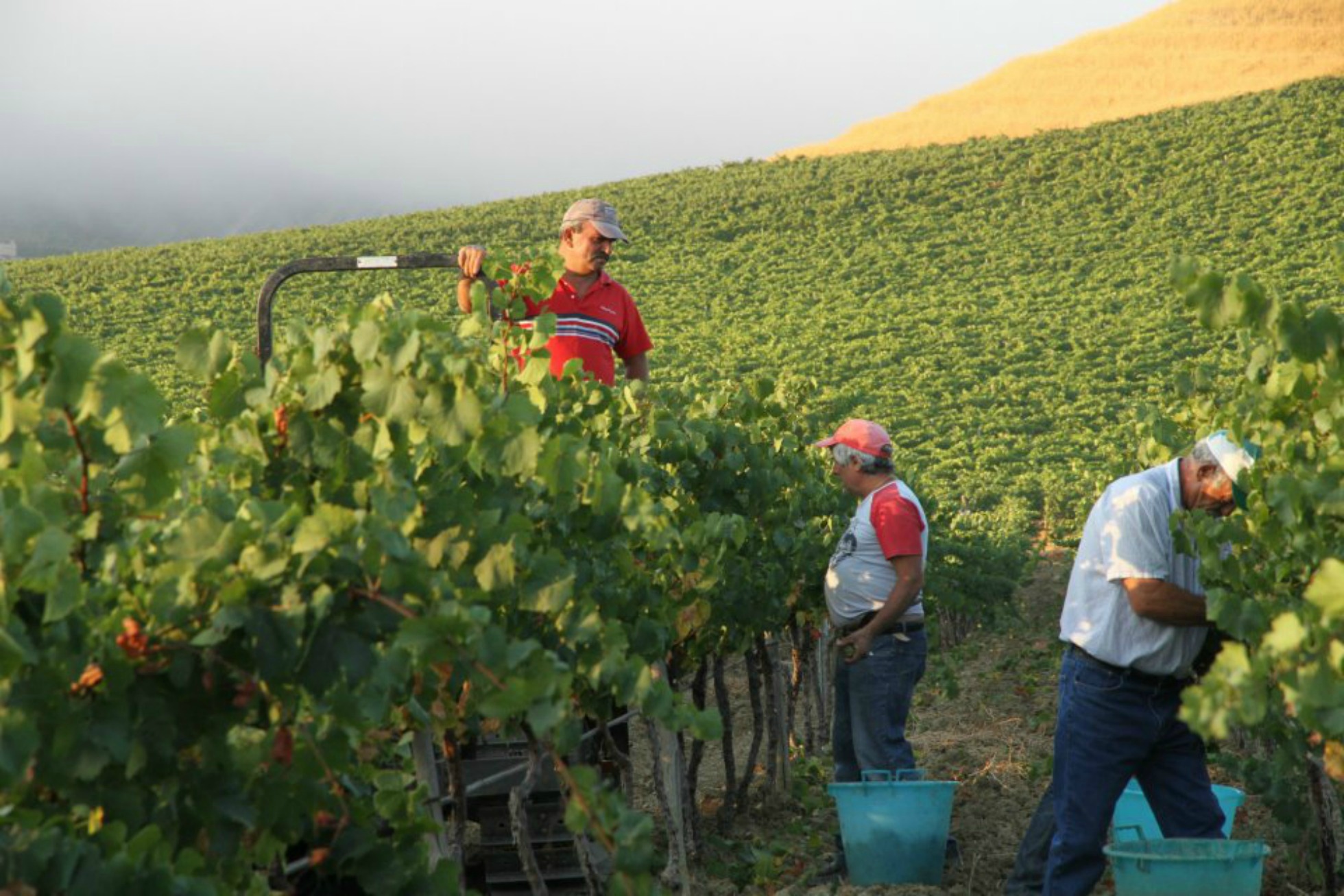
vinosessoMartedì 22 dicembre, ore 14,30, a Lonigo-Vi , presso la Cantina dei Colli Berici-Collis Group, Regione, Veneto Agricoltura-Europe Direct Veneto e Avepa, com’è ormai tradizione, tasteranno il polso ai mercati internazionali del vino e contemporaneamente presenteranno il consuntivo dell’ultima vendemmia risultante dalle dichiarazioni dei produttori. Vendemmia che, grazie a un’estate calda e soleggiata, ha dato grandi soddisfazioni qualitative e raggiunto picchi record sotto il profilo quantitativo: basti pensare che sono stati 12,5 milioni i quintali di uva raccolta quest’anno nel Veneto (circa +15% sul 2014), che si conferma prima regione italiana per produzione di uve da vino.

In termini di “prodotto vino”,  la regione non è solo il primo produttore d’Italia ma anche la prima regione quanto a valore dell’export, che nel 2014 ha registrato oltre il 30% del totale nazionale, per un valore di 1,7 miliardi di euro – fanno sapere dall’ufficio stampa di Veneto Agricoltura.
vendemmia_1Il 2015 supererà sicuramente questa cifra, visto che alla fine del terzo trimestre la crescita è risultata superiore già del 10%. Da parte sua, l’Italia, con 48,9 milioni di ettolitri di vino prodotti nel 2015 è di nuovo il primo produttore mondiale, seguito da Francia (46,6) e Spagna (36,6).
Riferendosi invece all’export mondiale di vino, va sottolineato che il nostro Paese indossa la medaglia d’argento, dietro alla Francia e davanti alla Spagna, rientrando così di diritto nel “billion dollar club” di cui fanno parte gli otto Paesi che esportano vino per oltre un miliardo di dollari all’anno: oltre ai tre Paesi citati troviamo il Cile, l’Australia, gli USA, la Germania e la Nuova Zelanda.
All’incontro di Lonigo si parlerà anche del mercato del vino sfuso e del prodotto imbottigliato, due segmenti della filiera importanti per motivi diversi, in particolare il secondo in rapporto alla concorrenza tra colossi della Grande Distribuzione Organizzata.
Il comparto vitivinicolo veneto e nazionale sta dunque navigando a gonfie vele, ma molto ancora resta da fare, a cominciare dalla riconquista del mercato interno (dal 2008 i consumi sono scesi del 19%), dal rafforzamento della presenza dei nostri vini all’estero e dalla lotta alle truffe sempre in agguato.

La Dieta Mediterranea compie cinque anni

0

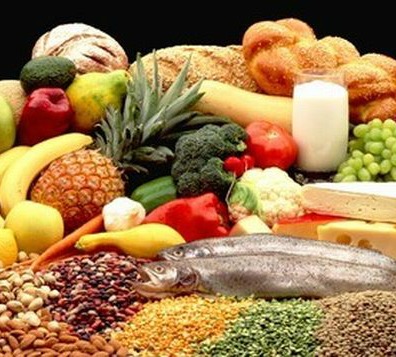
dieta-mediterranea1Poca carne e latticini, molta frutta, verdura, cereali e olio extra vergine d’oliva. È il segreto della Dieta Mediterranea che cinque anni fa, era il 15 novembre 2010, ricevette il riconoscimento di patrimonio immateriale dell’umanità dell’Unesco. In realtà la data di nascita della Dieta Mediterranea si fa risalire al 1945, quando i coniugi Keys soggiornarono a Salerno e Ancel Keys rimase folgorato dal regime alimentare italiano, dando il via alla serie di studi che sfociò nella famosa pubblicazione: Seven countries: a multivariate analysis of death and coronary heart disease che descriveva proprio le virtù della dieta Mediterranea. vegan-cibo-veganoAltra tappa importante per la Dieta Mediterranea fu III Conferenza Internazionale del Centro Interuniversitario Internazionale di Studi sulle Culture Alimentari Mediterranee, tenutasi a Parma nel 2009, quando fu elaborata la cosiddetta piramide, che stabiliva quali alimenti mangiare quotidianamente e quali solo saltuariamente. La Dieta Mediterranea, però, non è una semplice dieta, come ricordato proprio dall’Unesco, ma uno stile di vita: “promuove l’interazione sociale poiché il pasto in comune è alla base dei costumi sociali e delle festività condivise da una data comunità, e ha dato luogo a un notevole corpus di conoscenze, canzoni, massime, racconti e leggende. La Dieta si fonda nel rispetto per il territorio e la biodiversità, e garantisce la conservazione e lo sviluppo delle attività tradizionali e dei mestieri collegati alla pesca e all’agricoltura nelle comunità del Mediterraneo”.

Idee a denominazione d’origine per uno spuntino tutto italiano

0

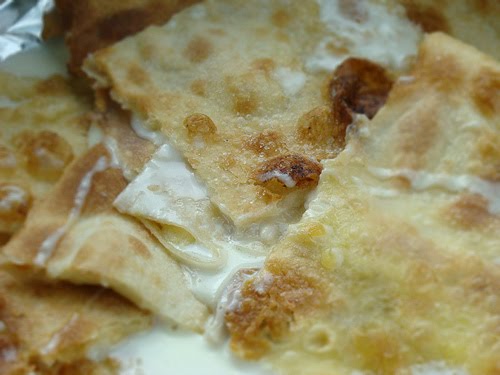
focaccia reccoUn panino con qualche belle fetta di prosciutto Dop San Daniele o una focaccia di Recco Igp. Gli spuntini degli italiani sono a denominazione d’origine. In Friuli, dove nasce il San Daniele, la ricetta di preparazione è rimasta immutata da secoli: con l’utilizzo del sale marino, senza l’aggiunta di additivi o conservanti. Anche per questo il prosciutto di San Daniele è un’ottima fonte di proteine nobili e di alta qualità, di vitamine e di minerali, soprattutto fosforo, zinco e potassio. Ma è soprattutto il suo profumo e il gusto dolce a farlo preferire agli italiani. A fronte di un calo nell’acquisto di salumi da parte delle famiglie italiane dello 0,8% nei primi sette mesi del 2015, il prosciutto di San Daniele è in decisa controtendenza con un +8,6%. Dati ancora più positivi per l’export cresciuto oltre il 10% sia nell’Unione europea sia Australia, Giappone, Usa e Svizzera. Analoga fortuna c’è da augurare a una delle specialità italiane più recentemente iscritte nelle Indicazione geografiche protette dell’Unione europea: la focaccia di Recco. La focaccia di Recco con formaggio è una specialità ligure la cui produzione può avvenire solo nei comuni di Recco, Sori, Avegno e Camogli. Si narra che questo prodotto esisteva già all’epoca della terza crociata. Oltre al gusto, quello che accomuna i due prodotti è la semplicità. Gli ingredienti della focaccia di Recco Igp
sono infatti solo farina, formaggio fresco, olio extravergine, acqua e sale.

Il 2016 sarà l’anno internazionale dei legumi

0

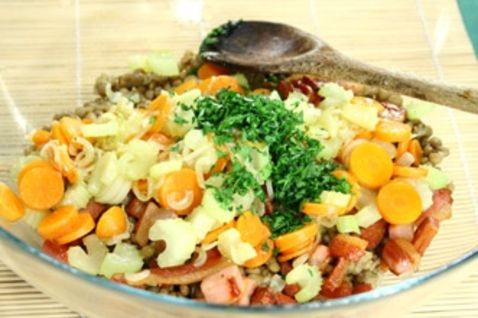
insalata di lenticchieTutti i legumi, dai ceci alle lenticchie fino ai fagioli, diventeranno le star del 2016. La Fao, infatti, ha decretato che il 2016 sarà l’anno internazionale dei legumi. Tra i legumi più diffusi vi sono tutte le varietà di fagioli secchi, i fagioli borlotti, i fagioli di Lima, i cannellini, fagioli e fave fresche da sgusciare. Ma anche ceci, piselli, lenticchie. A basso contenuto di grassi e ricchi di sostanze nutritive e di fibra solubile, i legumi sono considerati eccellenti per la gestione del colesterolo e per la salute dell’apparato digerente. Sono una fonte vitale di proteine e di aminoacidi e in molte parti del mondo un’alternativa valida alle più costose proteine di origine animale. I legumi sono un ingrediente fondamentale di diete salutari per affrontare l’obesità e per prevenire e gestire malattie croniche come il diabete, i disturbi coronarici e il cancro. L’anno Internazionale dei legumi 2016 incoraggerà un migliore utilizzo delle proteine provenienti dalle leguminose lungo tutta la catena alimentare, cercando di aumentarne la produzione a livello mondiale, migliorare la rotazione delle colture e affrontare le difficoltà nel settore commerciale.

L’oliva bianca per le cerimonie sacre. E per un albero di Natale diverso

0

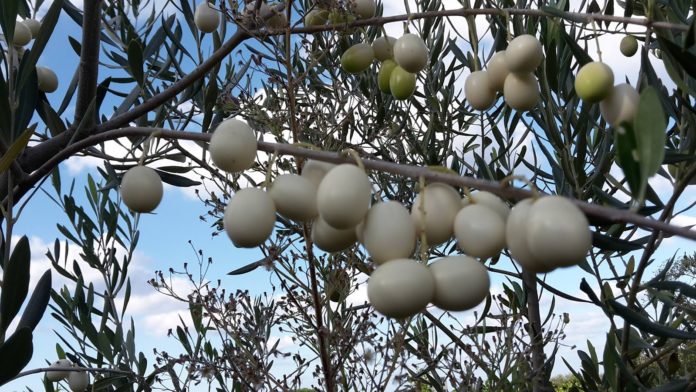
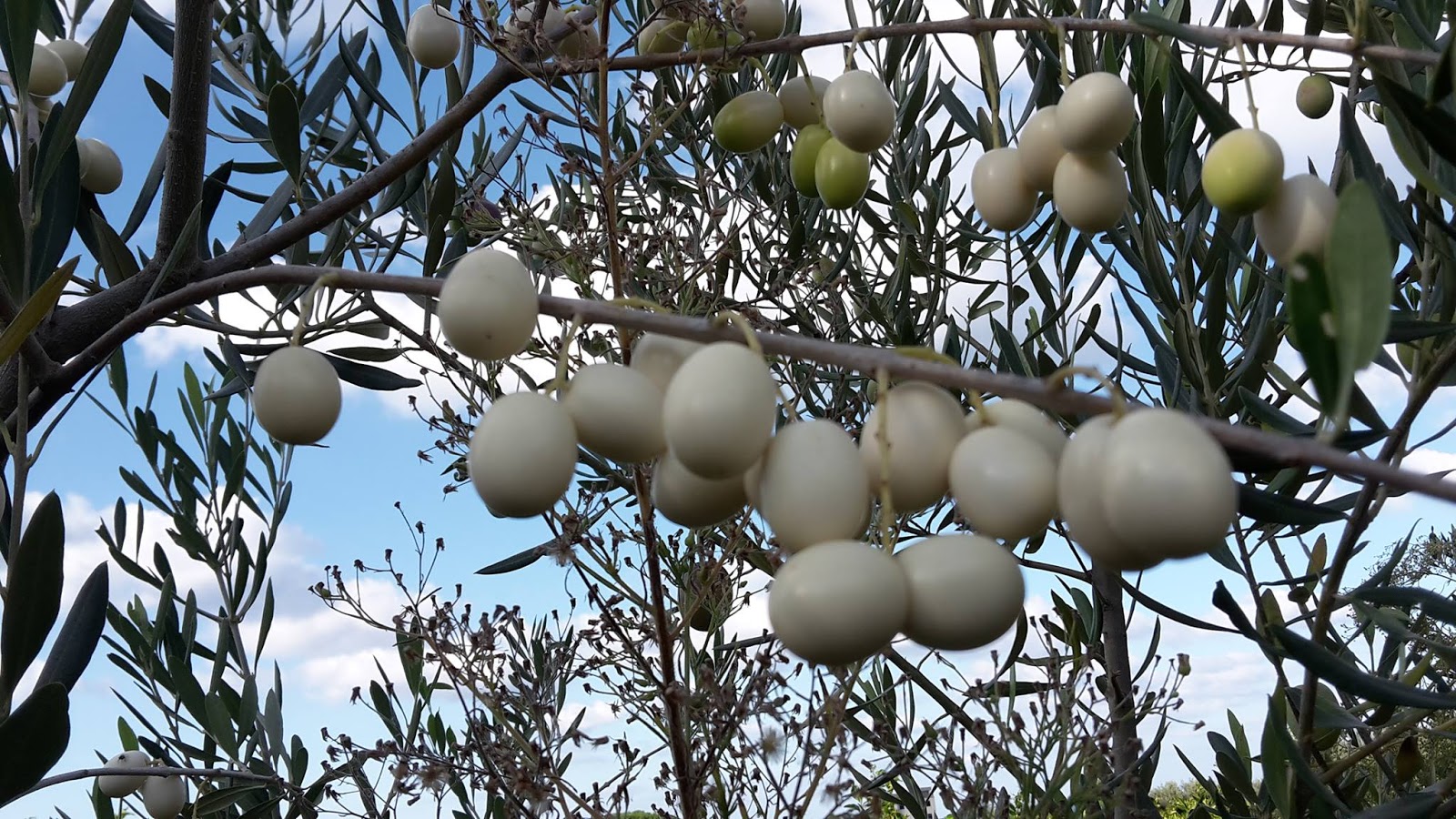
oliva biancaNormalmente le olive, con il progredire della maturazione, passano dal colore verde al nero-violaceo. La natura, anche in campo olivicolo, però può sorprendere. Ecco quindi la varietà Leucocarpa, che da verde diventa bianca. Utilizzata per lo più a scopo estetico, l’olivo Leucocarpa, probabilmente di origine greca, ha una vigoria medioalta e un portamento piuttosto espanso con chioma folta. La sua particolarità è proprio di non sintetizzare gli antociani in fase di maturazione per cui, con la riduzione del tenore di clorofille e del colore verde, i frutti diventano albini. Altra caratteristica di questa pianta è che le olive possono rimanere a lungo sui rami, anche fino alla primavera. Si crea così un interessantissimo effetto cromatico di contrasto tra le foglie, di colore verde scuro, e le olive bianche, magari da sfruttare come albero di Natale molto particolare. L’olio che si ottiene dalle olive Leucocarpa è molto chiaro e per tradizione veniva mescolato con balsamo e estratti di particolari radici per ottenere l’olio del Crisma, utilizzato per le cerimonie sacre e per alimentare le lampade nei luoghi di culto in quanto bruciando produce poco fumo. È per questa ragione che in Calabria, nelle aree a tradizione bizantina, piante di olivo Leucocarpa venivano piantate nei pressi dei monasteri basiliani.

A Natale Panettoni e Pandori italiani piacciono in tutto il mondo

0

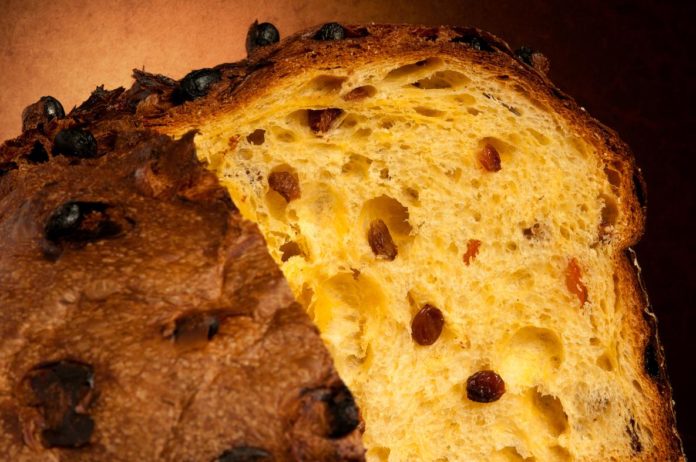
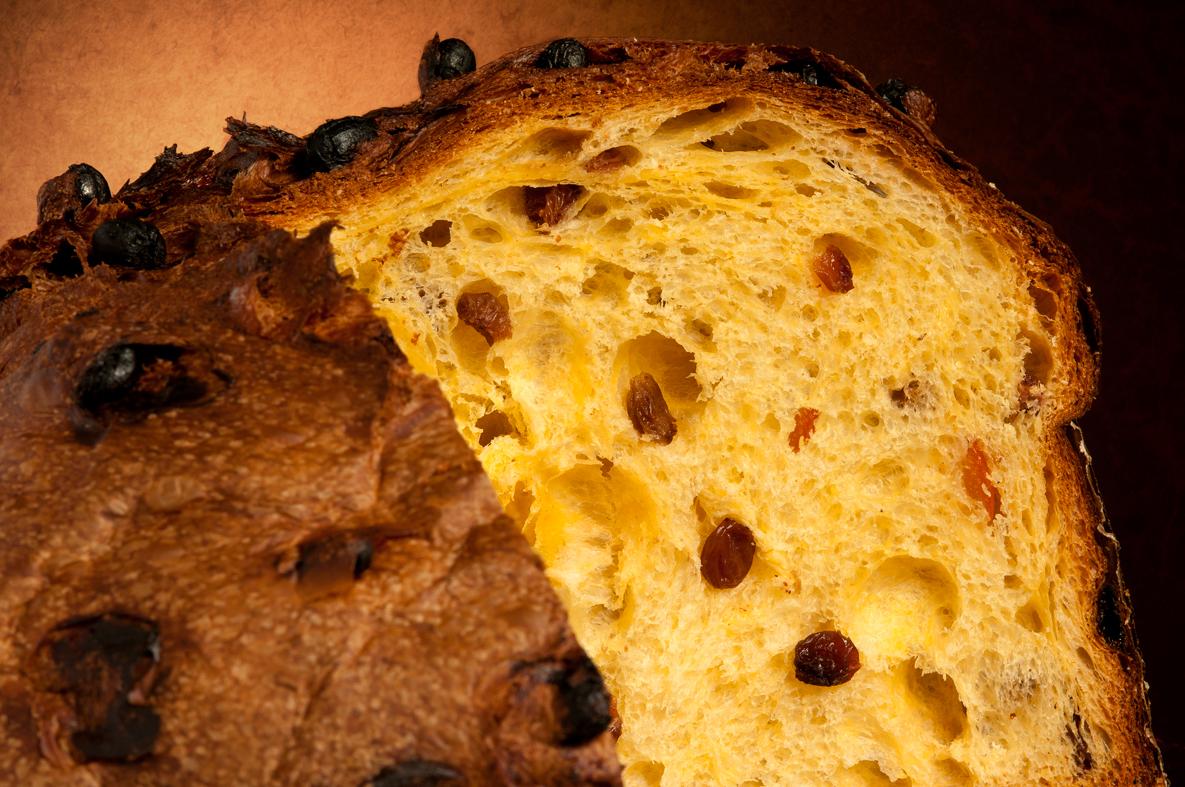
panettoneI dolci delle feste natalizie valgono per l’Italia 309 milioni di euro solo di export, con le esportazioni,secondo una recente indagine di Confartigianato, cresciute del 10% rispetto allo scorso anno. Francia, Germania e Regno Unito amano da tempo panettoni, pandoro, cioccolato e altre prelibatezze Made in Italy, mentre gli Stati Uniti hanno scoperto solo più recentemente le delizie italiane ma si sono fatti già conquistare, con una crescita del 45% delle vendite. Tutto merito della creatività italiana, che sa coniugare tradizione e innovazione, con quel tocco di originalità che piace e, in questi tempi di crisi, con la giusta attenzione al portafoglio. I prezzi dei prodotti di pasticceria fresca, infatti, sono cresciuti solo dell’1% ad ottobre 2015, metà della crescita registrata dagli altri prodotti alimentari. Ed è proprio il Sud d’Italia a trainare l’export di questo dolcissimo settore. Nella classifica delle regioni con il maggiore aumento di export alimentare il primo posto è occupato dalla Campania, con +14,8% nei primi sei mesi del 2015. Seguono Veneto (+11,9%), Piemonte (+5,1%), Emilia-Romagna (+ 4,7%) e Lombardia (+1%).

Focus. Mercatini di Natale ed enogastronomia: un soffice abbraccio

0

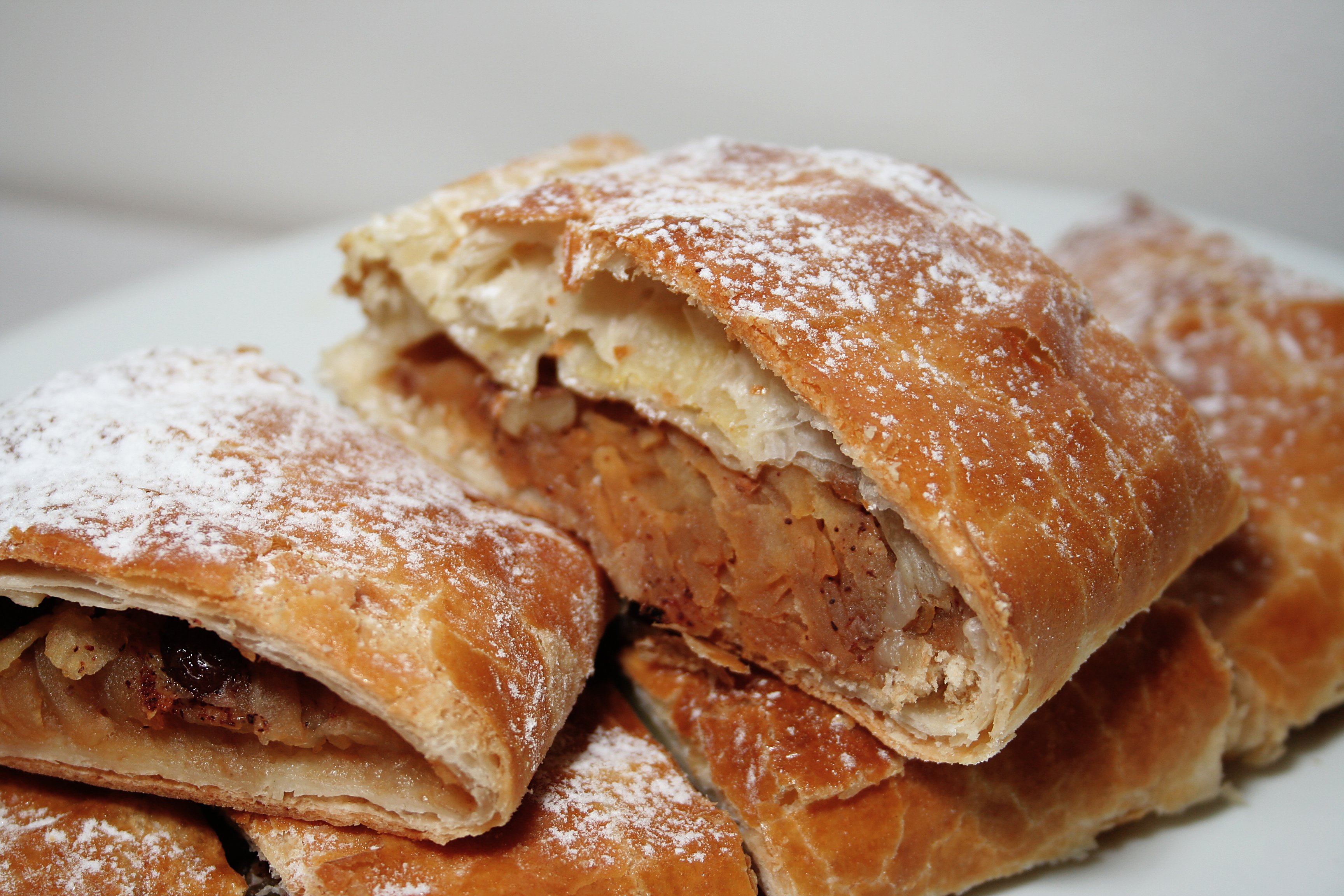
StrudelI Mercatini di Natale sono una delle migliori scuse per concedersi una vacanza, a patto che piaccia tuffarsi a capofitto nell’atmosfera natalizia che è fatta anche di ressa, di folla e di code oltre che di luminarie e panorami innevati puntellati di luci e di fiaccole.
La tradizione si consolida di anno in anno, ed il nord Italia – insieme ad alcuni paesi esteri tra cui Svizzera ed Austria in pole position – rimane la zona in cui il mercatino di Natale è irrinunciabile. Non soltanto gli autoctoni, dunque, ma comitive intere di gente proveniente da ogni dove visita ogni anno suggestivi mercati nello splendido Trentino Alto Adige.
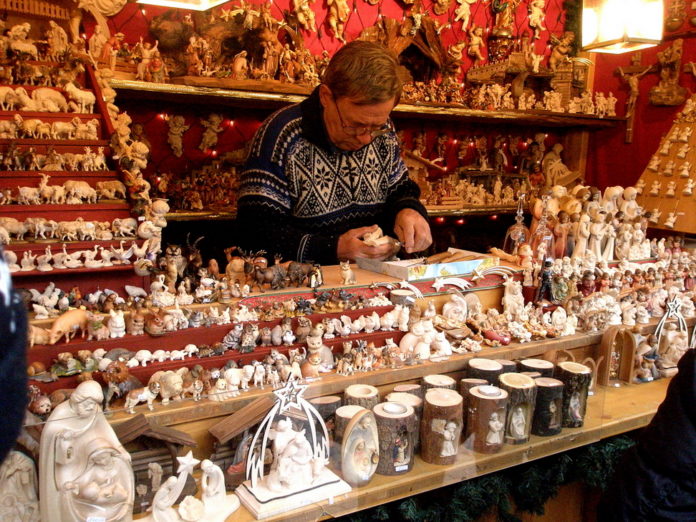
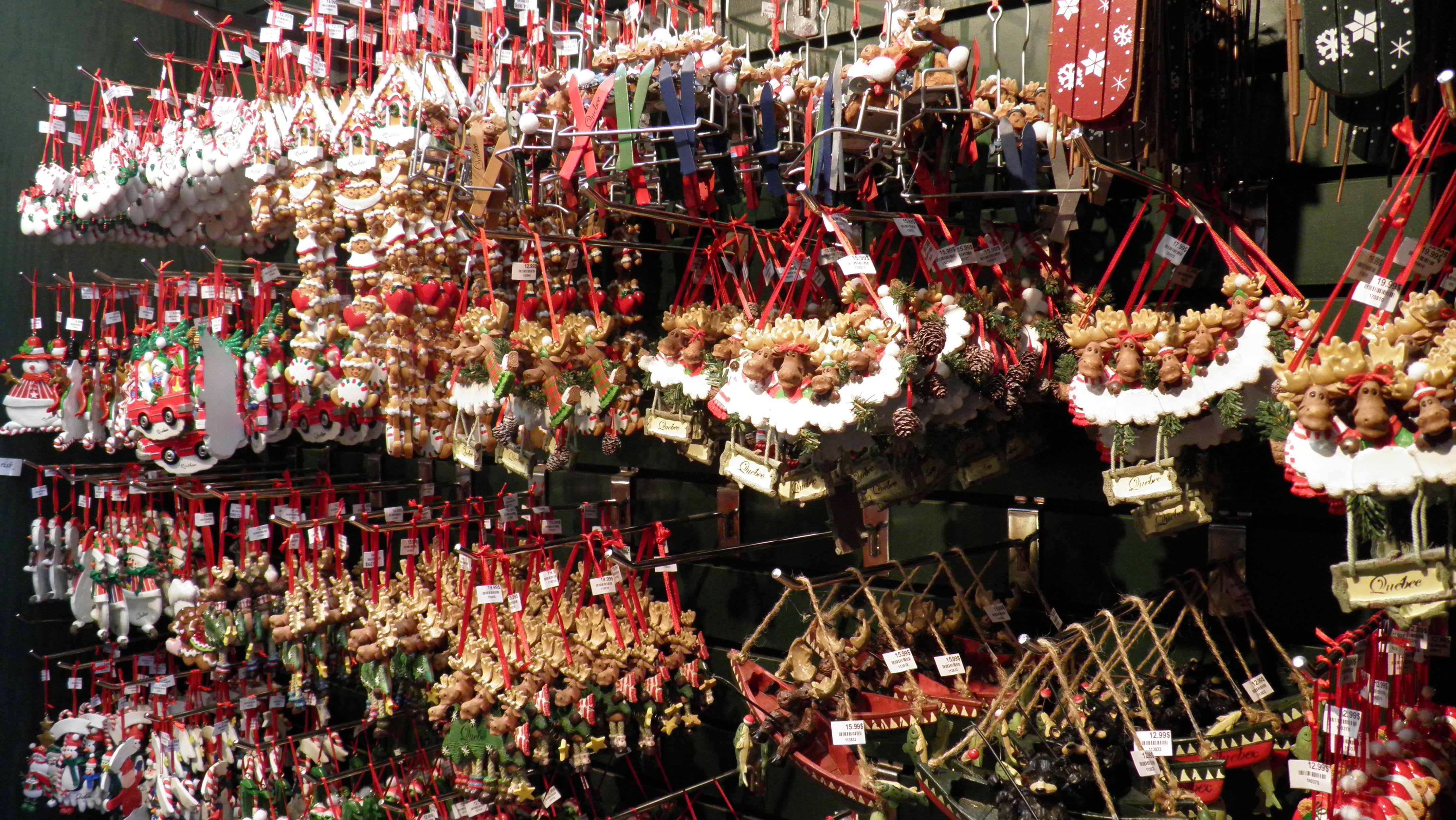
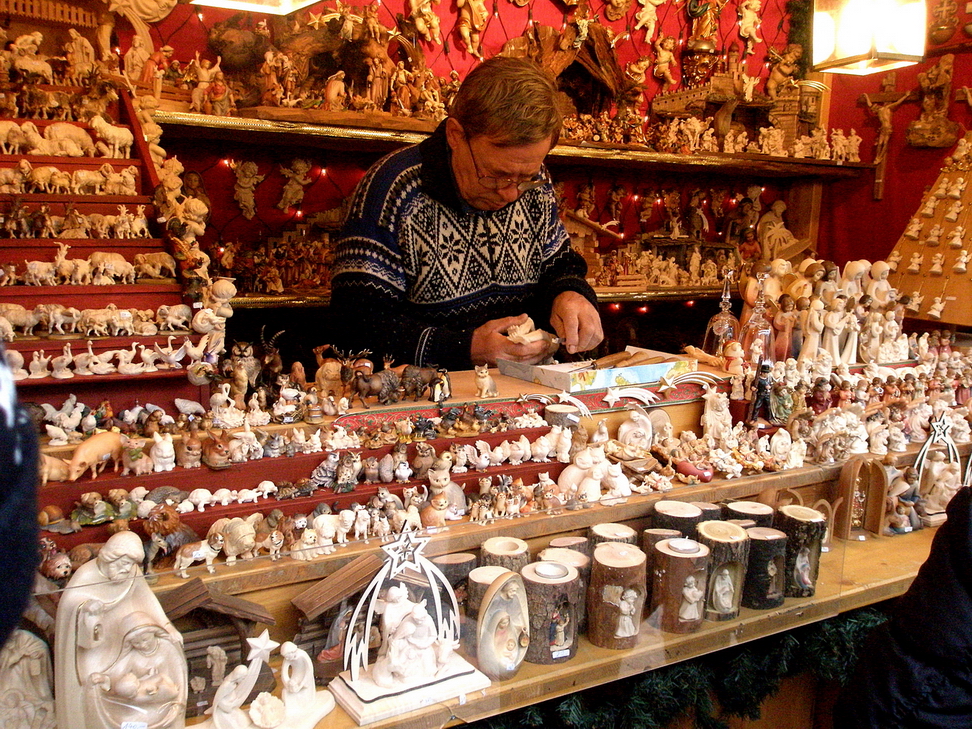
Cosa vi si trova? Di tutto. mercatini 2Artigianato locale, souvenirs, idee regalo , giocattoli in legno dal gusto retrò, accessori d’abbigliamento, sciarpe, cappelli, borse. Tutto locale, tutto artigianale, spesso a prezzi abbastanza contenuti. Ma soprattutto vi si trovano atmosfere uniche, che fanno tornare bambini.
Il meridione d’Italia non vanta una tradizione di mercatini di Natale, che sembrano attecchire con estrema difficoltà laddove invece le cosiddette “fiere di Natale “ – una miscellanea spesso disordinata e confusa di venditori che durante il resto dell’anno affollano i marciapiedi delle grandi città del sud, spesso vendendo oggetti di importazione asiatica se non addirittura merci contraffatte – tengono banco, anche se ogni anno si registra una flessione. A causa della crisi, sicuramente, ma anche per merito di una sempre maggiore oculatezza negli acquisti. mercatini-di-nataleSi compra meno ma si compra meglio. Meno oggetti, più qualità: specialmente prodotti eco sostenibili o artigianato solidale. E questa è sicuramente una buona cosa. Ma una delle attrattive maggiori dei mercatini di Natale è senz’altro l’enogastronomia. Ogni regione, con i proprio produttori, offre una selezione di prodotti tipici. A Napoli, unica città del meridione in cui il mercatino di Natale ha un suo peso, la tradizione porta dolci: i mitici dolci della tradizione, ovvero sfogliatelle e babà. Ma anche cioccolata. Al nord invece predominano i salumi, i formaggi, ma anche lo strudel, i biscotti secchi e le paste al cioccolato. E si beve: e si fa sul serio. Vini, in primis, ma anche grappe ed acquavite. Il freddo comanda, ed anche se alcuni stand di Bolzano si sono attrezzati di funghi caloriferi per consentire ai visitatori di consumare un pasto all’aperto anche a temperature proibitive, un moderato – si spera – apporto di alcool sembra una risorsa vitale. A Trento l’enogastronomia segna il passo su tutto il resto, ed infatti gli espositori hanno creato un vero e proprio tour enogastronomico passando per praticamente tutti i prodotti della tradizione locale: una “Bengodi” soprattutto per i forestieri. OLYMPUS DIGITAL CAMERAA Bolzano ed anche a Torino invece per tutta la durata del periodo festivo, i ristoratori i cui locali si trovano in prossimità dei mercatini hanno elaborato dei menù natalizi.
Seguendo un trend in continua ascesa in cui il Food & Beverage non conoscono battute d’arresto, è facile osservare una offerta sempre maggiore di prodotto enogastronomico locale all’interno dei mercatini di Natale. Una ulteriore dimostrazione del fatto che il cibo si conferma volano dell’economia nazionale e che la cultura del cibo come identità regionale, come storia, tradizione delle singole regioni d’ Italia, è un patrimonio “a reddito” da esportare, specie se coniugato al turismo. Non cercate una sfogliatella napoletana a Bolzano o un panino con il wurstel e i crauti a Napoli: non li troverete. Nei mercatini di Natale la parola d’ordine è una sola: “identità”.


Francesca Giunta

Foto: web